Tag

podcast

Katja Hoyer on daily life in East Germany

K

Katja Hoyer Katja Hoyer’s history of East Germany changed the way I look at the late twentieth century word I grew up in, and put a human face on the other side of the Cold War. Eighties movies and television portrayed it as a vast open-air prison populated by monotonous grey blurs without individuality or agency — and it was widely militarized, watched over by the Stasi and by a nervous...
Julian Evans on Odesa and Ukraine

J

Julian Evans Julian Evans first visited the city of Odesa on a boat journey down the Dnipro River in 1994.  He fell in love with its crumbling baroque beauty, and with its distinct personality as a self-contained world: part stage set and part port city on the make, a place where the boundaries between the actual and imaginary were continually blurring. He also fell in love with a local...

Jeffrey Meyers on charting parallel lives

J

Jeffrey Meyers A great biography reveals the raw humanity behind lives of rare genius. Plutarch’s Lives set the pattern for the biographical arts in the tumultuous second century, and formed a source of inspiration for everyone from Shakespeare to America’s founding fathers. It seems to have fallen from grace in an age when projecting current values into the deepest corners of the past has...

Cam Honan on the hiking life

C

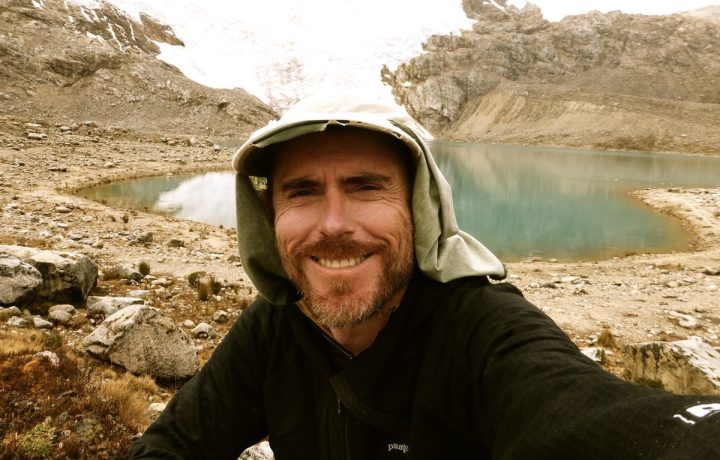
Cam Honan Cam Honan has hiked across 56 countries on six continents, logging over 96,500 km in three decades.  Between July 2011 and December, 2012, he set out on a dozen consecutive thru hikes that took him through 29 US states and 4 Canadian Provinces, a trip known as the 12 Long Walks. Backpacker Magazine called him “the most traveled hiker on earth”. I’ve wanted to speak with Cam for...

Richard Grant: A race to the bottom of crazy

R

Richard Grant I’ll always love the American Southwest because it’s where I first encountered the desert.  Arid places are my personal landscape — and this one contains more stories than most. Arizona’s defining social characteristic is transience.  According to today’s guest, outsiders move there “to make a fresh start and reinvent themselves, or to find a refuge where they can be their...

Lesley Downer on poetry in Japan’s deep north

L

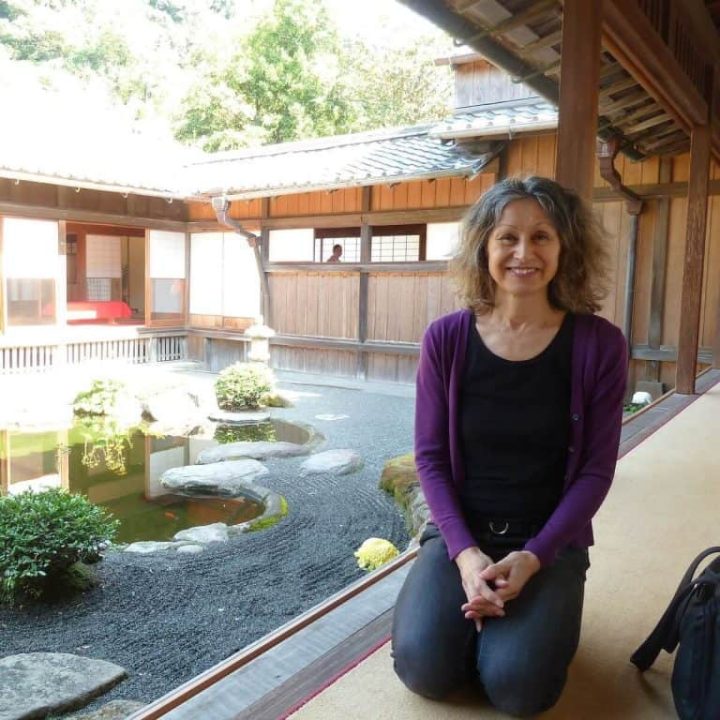
Lesley Downer Lesley Downer first went to Japan as an English teacher in the late 1970s.  She immersed herself in the language and culture and developed a keen interest in the Edo period, especially the poetry of Matsuo Basho. Years later, she returned to Japan to follow the same route the poet had written about in his 17th century book Oku no Hosomichi (The Narrow Road to the Deep North)...

Talking Malta with Intrepid Times

T

I stopped by Intrepid Times to speak with Nathan James Thomas about A Sunny Place for Shady People, which they described as “a gripping tale that all serious readers of travel writing need to have on their shelves.” We talked about some of the events I described in the book, as well as the challenges I encountered in writing it, and whether or not outsiders have the right to tell the story...

Thomas Swick on life in Cold War Poland

T

Thomas Swick Thomas Swick moved to Warsaw at the height of the Cold War.  He suffered bleak winters in gloomy concrete apartment blocks, and he experienced two very different worlds: the closed-door life of spirited friends huddled over tables at home, and the empty windswept boulevards of an Eastern European capital without street life. He also lived through events that would be seen as...

Ian Fleming with biographer Nicholas Shakespeare

I

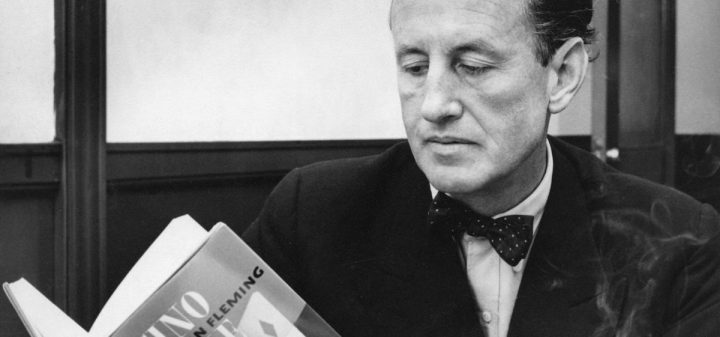
Ian Fleming Ian Fleming was overshadowed by the fictional character he created in the final decade of his life, but his own story is far more interesting. He’s been mocked as a womanizing gambler and drinker who liked flogging his wife, just another bad writer of popular fiction. But his closest friends described him as enchanting, funny, and kind. He was fluent in German, and translated Klaus...

Kapka Kassabova on Europe’s last nomadic pastoralists

K

Kapka Kassabova Kapka Kassabova is the most interesting new writer in the travel literature genre.  I use the term “new” in the sense of my own reading. I mostly read older books, or new books by older writers, because so little of what’s being published today seems relevant beyond the present moment. I think Kapka’s work will stand the test of time. She was born and raised in Cold War...

Recent Posts

Archives